Introduction to Whisper Transcription
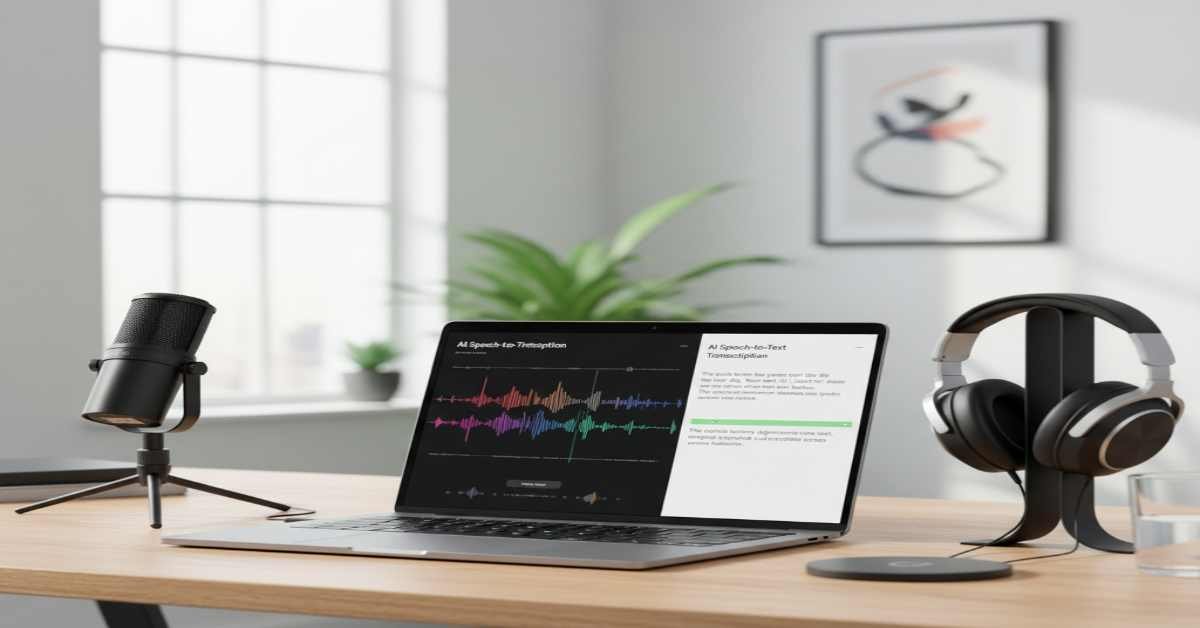
Whisper is a fully integrated, cutting-edge audio-to-text AI technology developed by OpenAI. It uses deep-learning models to convert speech audio into highly accurate, contextually relevant text. Such is the way it’s revolutionizing the way we transcribe meetings, interviews, lectures, and any other type of spoken content into readable, searchable, and usable written data.
Table of Contents
How does Whisper work?
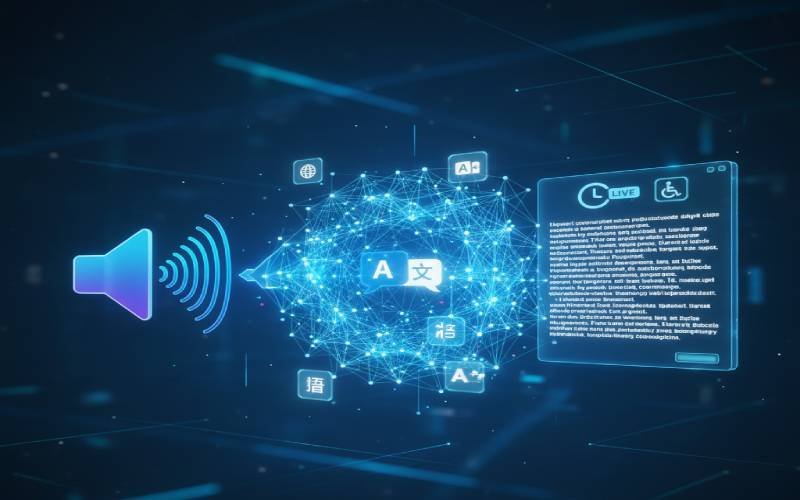
Whisper uses an encoder-decoder transformer architecture. It processes input audio by dividing it into chunks of 30 seconds, then changes those into spectrograms, and then the neural network predicts the corresponding text sequence. It features multilingual transcription, language identification, phrase-level timestamps, and even translation into English, making it a versatile tool for global communication.
Key Features of Whisper Transcription
- High Accuracy and Low Latency: Whisper has a fantastic word error rate of about 8%, providing speedy transcripts even for long recordings.
- Multilingual Support: It can transcribe speech in several languages, detect language switches within a conversation, and translate audio of different languages into English.
- Whisper is robust against acoustic variations, such as noisy backgrounds, accents, and speaking impediments.
- Integration and Customization: Because it is open-source, developers can integrate Whisper transcription into custom applications and services. Input audio format support includes mp3, wav, m4a, webm.
- Context Understanding: It fills gaps with context and adds proper punctuation to transcriptions, aiding in readability.
Use Cases of Whisper Transcription
- Transcribing calls, interviews, and meetings for documentation and compliance.
- Real-time or near-real-time transcriptions in international conferences.
- Assisting customer support with multilingual speech-to-text.
- Enabling accessibility by converting spoken content to readable text.
How Whisper Is Changing the Transcription Game Whisper
enables high-quality, accessible transcription more than ever before. By eliminating all the tedious manual work involved in transcription, it expedites the process, accelerates turnaround time, and enhances content visibility with searchable, keyword-optimized text. This innovative AI technology is changing the way industries communicate and function, enhancing efficiency and opening windowed opportunities for productivity.
Conclusion
As audio content blooms, tools like Whisper redefine transcription, making it faster, multilingual, and smarter. Embracing Whisper transcription means unlocking a new level of workflow efficiency and content accessibility that’s transforming how we interact with spoken data.